

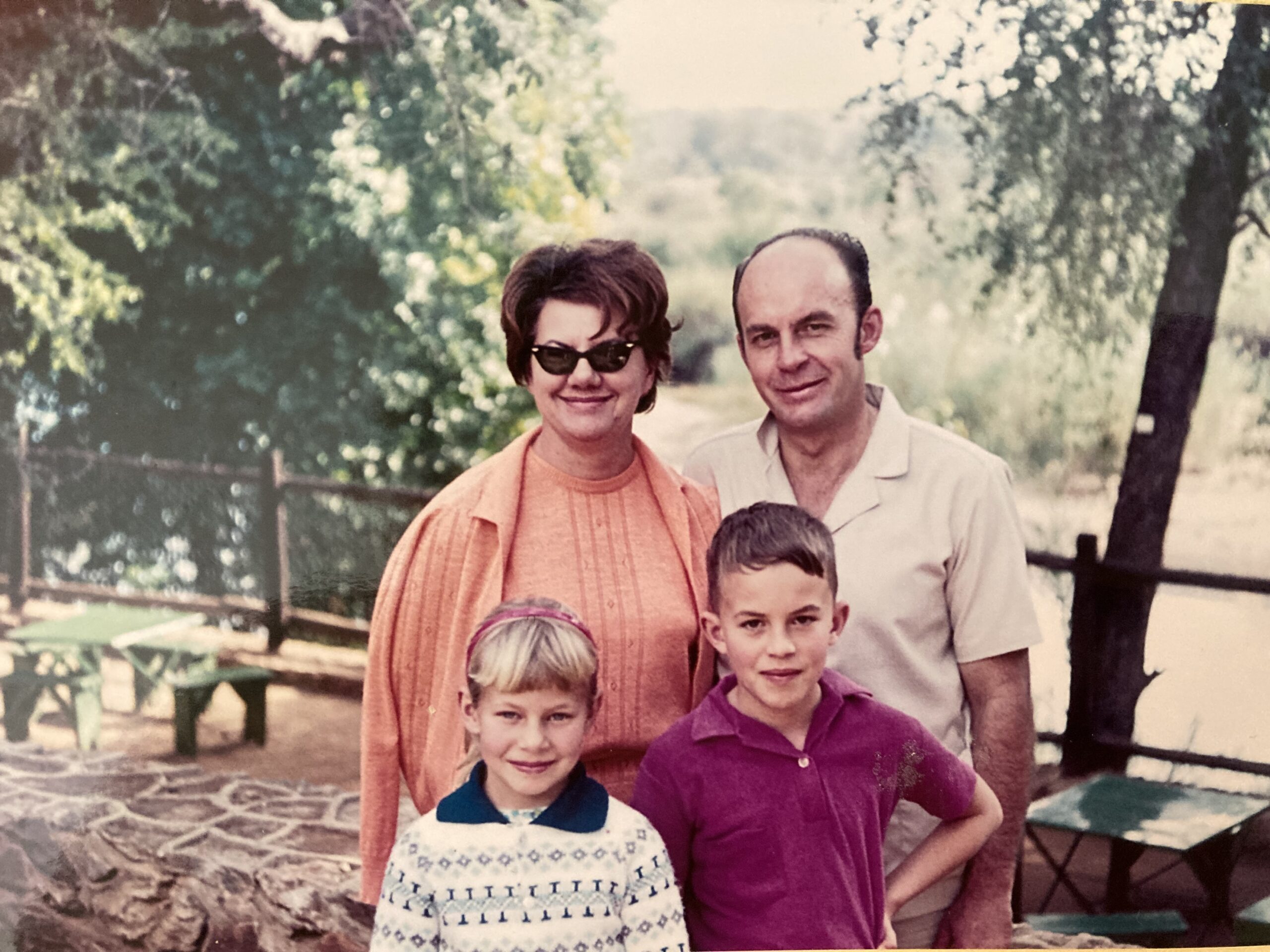
My mother steered me sideways with the quiet efficiency of someone who had been keeping a small person out of trouble for eight years and wasn’t about to stop anytime soon.
The warthog barely registered us. Low to the ground, his tusks catching the afternoon light, he came trotting along the path between our rondavel and the Skukuza restaurant with the unhurried self-importance of someone who owned the place (which, to be fair, he did). My mother moved me out of his way. He carried on. The whole thing lasted about three seconds, and the drama of it was entirely in my 8-year old imagination, rather than in the warthog’s intentions.
I thought it was the funniest thing I had ever seen.
This was the 1960s. Kruger National Park was already decades old, already legendary, but really only to us living in South Africa. These were the years under apartheid, and the country was largely closed to the outside world. Foreign tourists weren’t coming, the international safari circuit looked elsewhere. What that meant, though we were too young and too local to understand it, was that we had something extraordinary almost entirely to ourselves. We’d driven five hours from Springs, the small mining town east of Johannesburg where I’d grown up, and arrived somewhere that felt like a different planet entirely, like traveling back in time.
The Child Who Didn’t Know She Was Lucky
I was eight years old, I’m sixty-four now, which means Kruger and I have been in a relationship for fifty-six years, and I had no language for what I was witnessing.
I knew the herds of elephants were enormous, great dusty walls of grey moving through the mopane, the ground rumbling faintly underfoot with their semi-silent communications, in a way that I felt before I understood. I knew the buffalo looked ancient and immovable in the golden afternoon light, their horns like something from a story that predated stories. Skukuza is the nickname given to the first warden of Kruger, James Stevenson-Hamilton, by local Tsonga staff meaning “he who sweeps clean”, back when it was known as Sabi Game Reserve. This was where we stayed and I knew that Skukuza, with its thatched roofs and the smell of woodsmoke and cut grass and something wilder underneath, felt different from any place I’d ever slept before, or ever slept since.
What I didn’t know (I couldn’t have known at eight) was that I was standing inside one of the most significant conservation achievements in human history. That the land around me had been protected for nearly half a century. That the lions I glimpsed, the leopard my father spotted before any of us, and the hippos we watched yawning from the bridge at dusk, all of it existed in defiance of the forces that, left unchecked, would have consumed it entirely in an age where conservation, and preservation was little understood.
I didn’t know any of that. I just knew that it was beautiful in a way that made my chest feel tight, and that I never wanted to go home.
Why had my parents not brought me here sooner? More often? The question felt genuinely urgent to an eight-year-old. Springs was five hours away. Five hours. The drive felt long, but the world we arrived at felt infinite. Surely this was where we should always be.
It was, as it turned out, the beginning of an addiction for me.
What a Hundred Years Means
On 31 May 2026, Kruger National Park turns one hundred years old.
A century. Think about what that word contains, the wars, the droughts, the political upheavals, the changing governments, the poachers and the rangers and the conservationists who gave their lives to this land, some of them quite literally. The rise and fall of the awful apartheid regime I grew up under. Think about every person who has stood where I stood as a child: jaw slack, pulse just slightly elevated, watching something ancient and alive move through the bush with total indifference to the watching.
The Sabi Game Reserve was proclaimed in 1898 by Paul Kruger. It became a national park in 1926, the beginning of the Kruger we know, the Kruger that now stretches nearly two million hectares along the Mozambique border, that shelters the Big Five and five hundred species of birds and three thousand kilometres of rivers.
When I was a child visiting in the 1960s, the rest of the world barely knew it existed. South Africa under apartheid was largely cut off, as I mentioned before, tourists didn’t come, travel writers didn’t come, the international safari circuit pointed its compass at Kenya and Tanzania. What that means, in retrospect, is that those of us who grew up in South Africa during those terrible years, had access to something that we couldn’t share with the wider world yet. It wasn’t something we appreciated at the time. It was simply ours, the way the highveld sky and the red dust of the Lowveld were simply ours. Now, it belongs to all South Africans, and we can share this magic with the rest of the world too.
The world knows it now. Kruger is firmly on the global map, and rightly so, it should be! But there’s something quietly special about having loved it before that, before the lodges became luxurious, before the game drives became Instagram content, when it was just a place your parents drove you to for a week and it changed you without announcing that it was doing so.
When I think about what it means for a wild place to survive a hundred years of the modern world, I feel something that I can only describe as gratitude that borders on reverence.
The Warthog. Always the Warthog
People ask about my first memory of Kruger, and they expect lions.
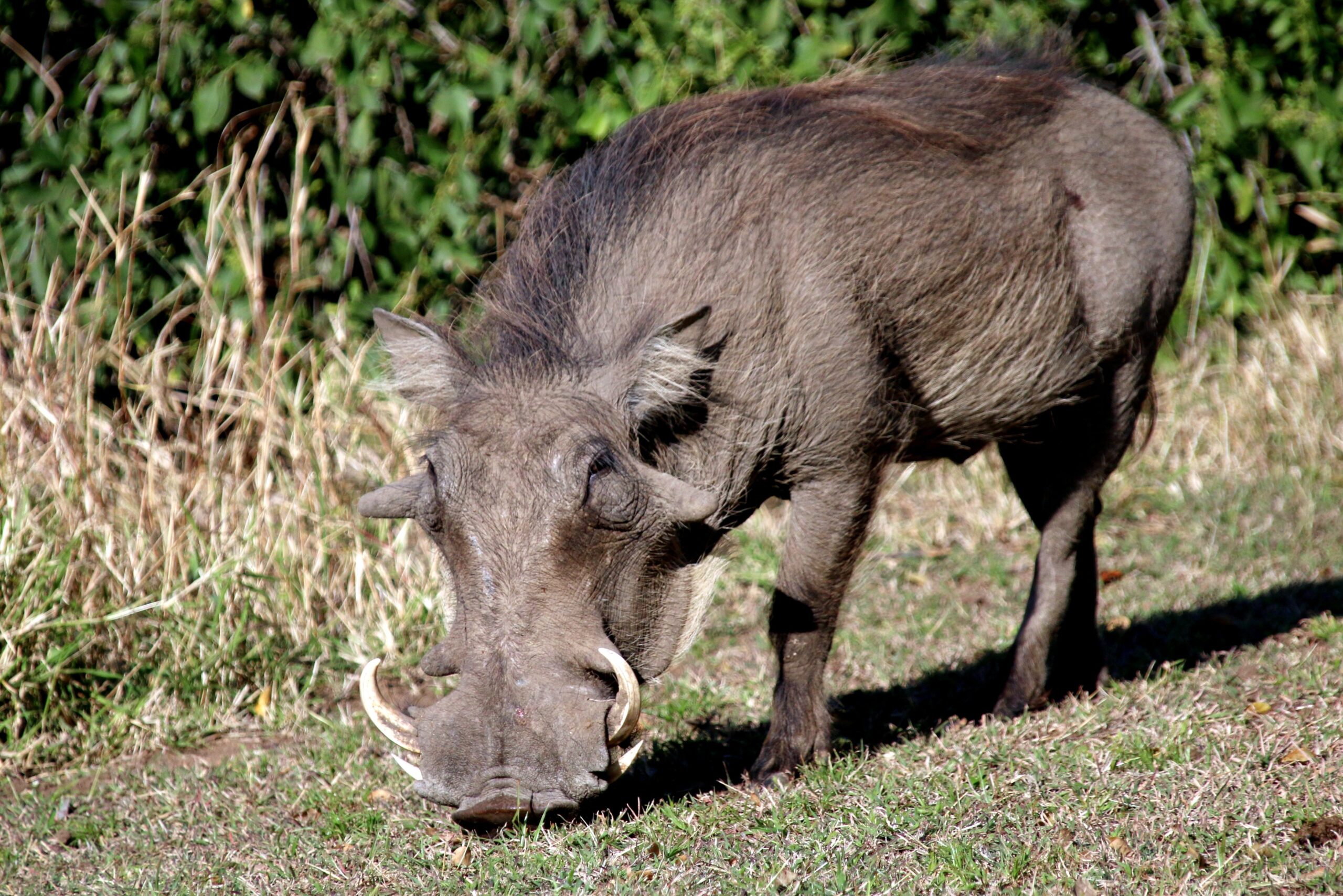
It’s always the warthog.
Not because it was dramatic, it wasn’t, really. A warthog trotted along a path, my mother stepped me aside with the calm practicality of someone used to steering small people away from trouble, and the warthog continued on his way without so much as a sideways glance. Three seconds, start to finish. He had absolutely no interest in us.
But that’s precisely what I loved about it. The warthog didn’t care. He had somewhere to be, roots to snuffle out somewhere. We were briefly in his way, and now we weren’t, and the African evening carried on regardless. It was the first time I understood, in a way an eight-year-old could actually grasp, that we were just guests here. That the world I was standing in operated on its own terms, entirely indifferent to mine.
That’s the thing about Kruger that no photograph fully captures. It’s not only the animals. It’s what happens to you in their presence, the laughter, the humility, the stories you carry home like stones in your pockets. The way it recalibrates you. The way it reminds you, gently but firmly, that you are not the most important thing in the landscape.
I have needed that reminder more times than I can count.
Here We Still Are
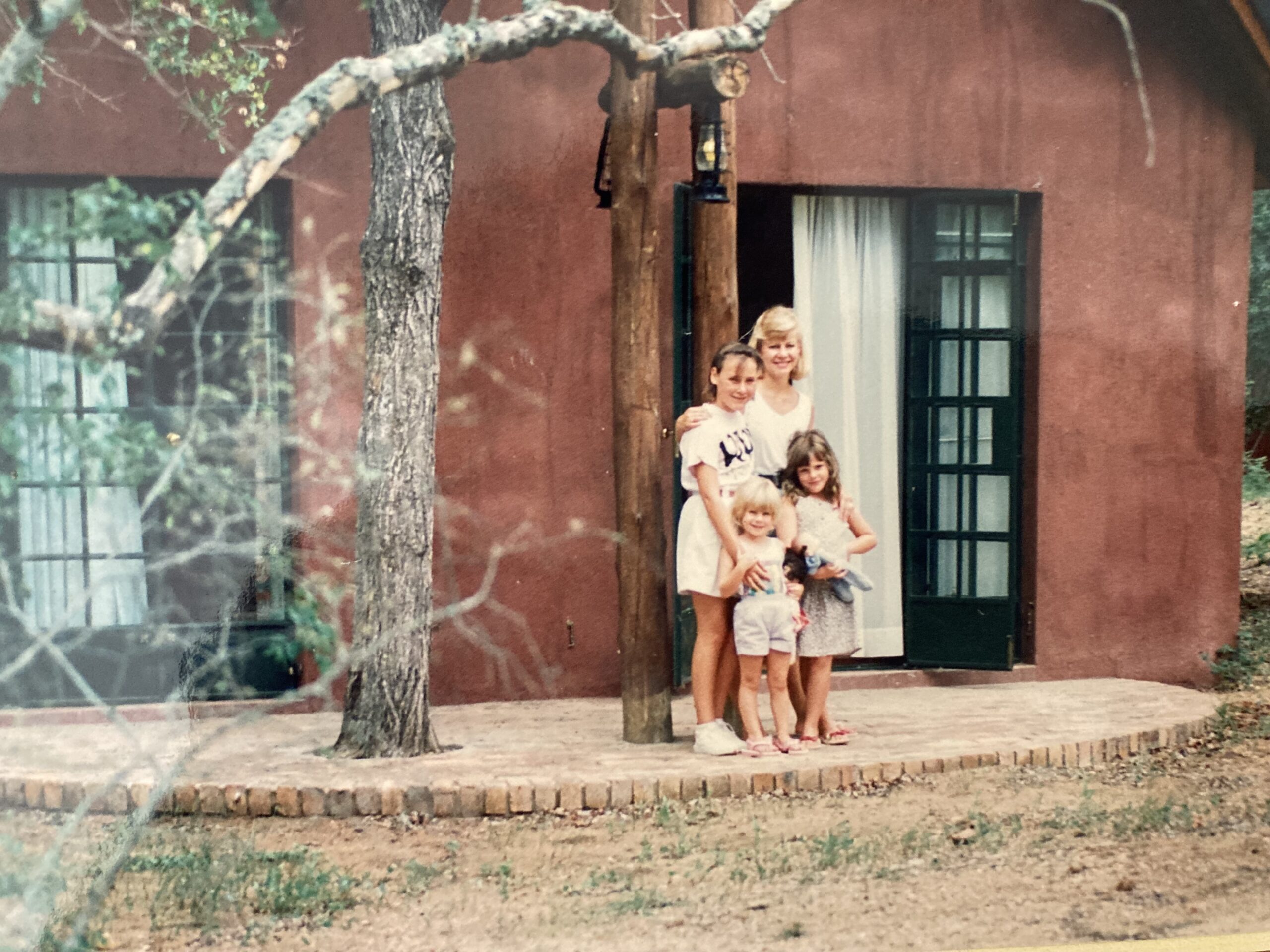
I have been back to Kruger more times than I can count on one hand. Definitely almost every year since 1981 with my children and in more recent years, my grandchildren. Each visit is simultaneously different and the same. The smell of the bush in the early morning never changes. It’s cool and green and faintly primitive. The night time sounds, hyena’s whooping, a lion roaring somewhere in the dark. Early morning baboon antics, barking at fellow troop members, the soulful cry of a fish eagle. Every time it does something to my nervous system that I can’t fully explain. A settling. A recognition.
It’s been called an addiction, and I won’t argue with that. But it’s the kind that makes you better, not worse. The kind that clears your head and sharpens your vision and makes the ordinary details of regular life look briefly miraculous when you return to them.
A hundred years of this place. A hundred years of that particular spell being cast on ordinary people from ordinary towns, suburbs, cities, who drove for hours and arrived somewhere that made them understand, however briefly, what it felt like to be small in the best possible way.
A warthog trotted past, entirely unbothered.
Kruger left a mark that has lasted a lifetime.
Here’s to the next hundred years.
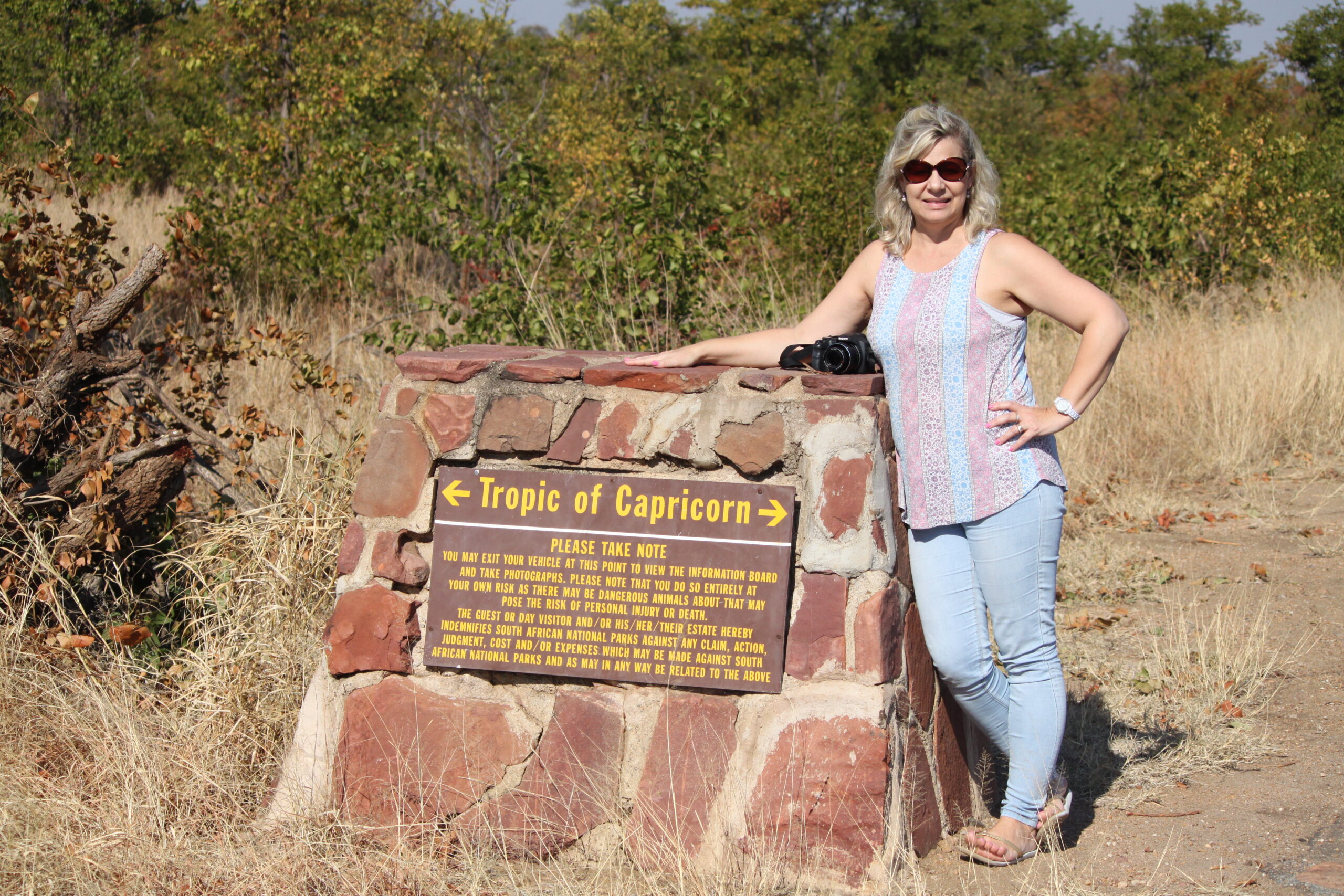
Have you been to Kruger? Is it calling you back? At Wine & Wild, we build Kruger journeys for women who want to experience the bush properly — with expert guides, extraordinary lodges, and the kind of company that makes every sundowner feel like a celebration Get in touch and let’s plan yours.