

Key Takeaways: • The African wilderness provides a natural antidote to modern stress and digital overwhelm • Wildlife encounters create mindfulness experiences that reset mental patterns • Scientific research confirms nature’s ability to reduce cortisol and restore mental clarity • Safari environments naturally encourage grounding, presence, and emotional healing • Structured wildlife experiences offer accessible nature therapy for solo female travellers

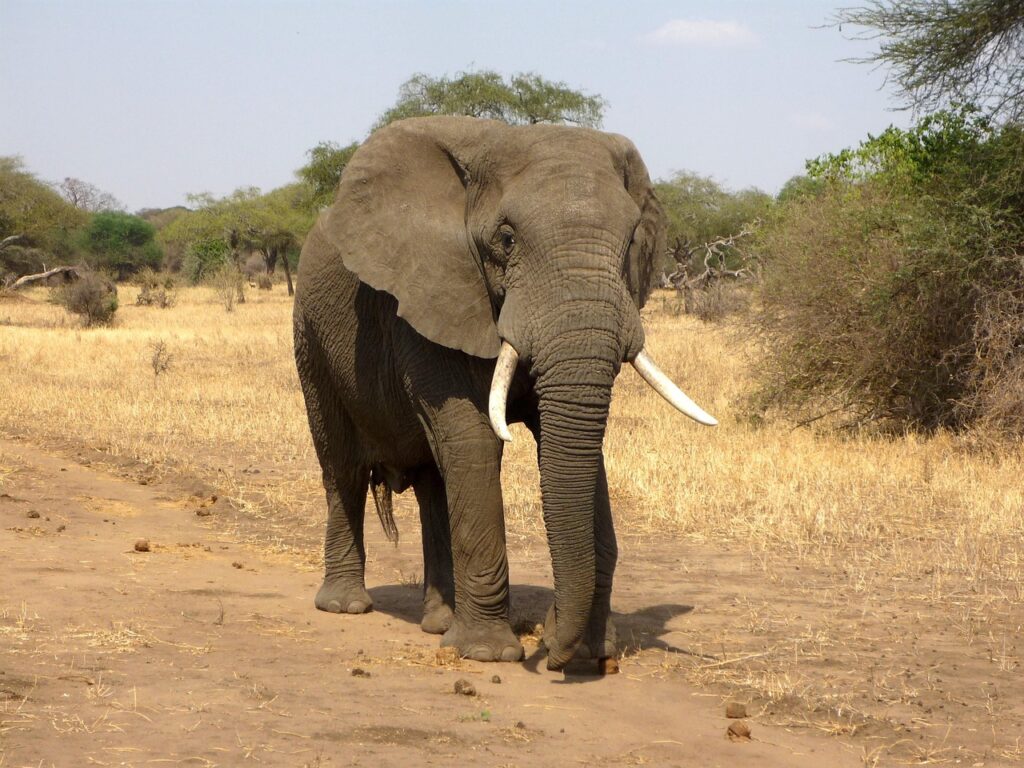
I’ll never forget watching Emma, a 48-year-old marketing executive from London, break down in tears during her first elephant encounter at Kruger. She’d come to South Africa burnt out, anxious, and running on empty after two years of pandemic stress followed by corporate restructuring. “I haven’t cried in months,” she whispered as we watched a matriarch gently guide her calf to water. “I didn’t even know I needed to.”
That moment crystallised something I’ve witnessed repeatedly over years of guiding women through South Africa’s wilderness: What nature therapy in travel to Africa offers isn’t just a holiday experience. It’s profound medicine for minds and souls battered by modern life’s relentless pace. When women tell me they need more than just a break – they need healing – I know they’re ready for the transformative power of African wilderness.
In our hyperconnected, perpetually busy world, we’ve forgotten what stillness feels like. We’ve lost touch with natural rhythms that once governed human existence. But safari for burnout recovery offers something no spa weekend or city break can provide: reconnection with the ancient wisdom that exists in untamed spaces, where the only notifications come from birds at dawn and the only deadlines are set by the sun.
The Stress of Modern Life vs. African Stillness
Your nervous system doesn’t know the difference between a charging lion and a demanding email marked “urgent.” Both trigger the same fight-or-flight response that floods your body with stress hormones. The difference is that our ancestors encountered genuine threats occasionally, while we face perceived threats constantly – the ping of notifications, the pressure of endless tasks, the anxiety of news cycles that never pause.
Dr Sarah McKenzie, a neuroscientist who studies stress responses, explains that chronic activation of our stress systems leads to what she calls “survival mode living” – we’re constantly alert, never truly at rest, always scanning for the next problem to solve. This state becomes so normal that we forget what genuine relaxation feels like.
Then you arrive in the African wilderness, and something extraordinary happens. The vastness forces perspective. Sitting in a game drive vehicle, surrounded by landscapes that stretch to infinity, your problems don’t disappear but they find their proper proportion. You’re suddenly part of something immeasurably larger than your daily concerns.
The silence in African wilderness is different from any quiet you’ve experienced. It’s not the absence of sound but the presence of natural rhythm – wind through grass, distant calls of animals, your own heartbeat gradually slowing to match the unhurried pace around you. City dwellers often tell me that for the first time in years, they can hear themselves think.
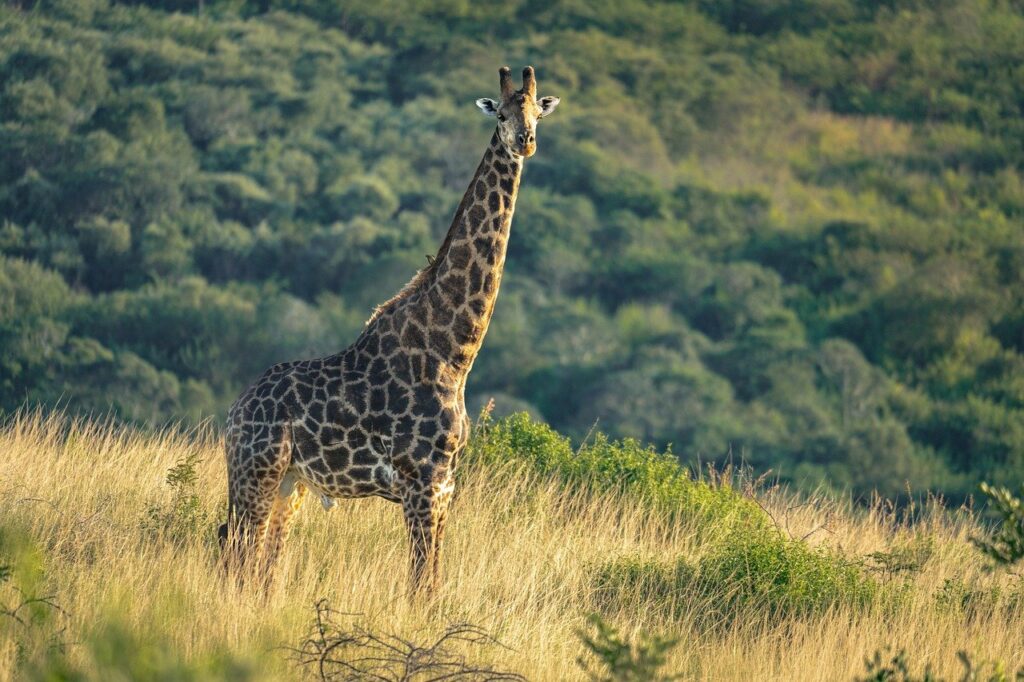
This natural environment creates what researchers call “soft fascination” – gentle stimulation that captures attention without demanding effort. Unlike the “hard fascination” of screens and tasks that exhaust mental resources, soft fascination actually restores cognitive function. Watching a giraffe move with graceful slow motion, observing clouds drift over endless savanna, listening to the complex social interactions of a bird colony – these experiences rebuild mental capacity rather than depleting it.
Wildlife as Mindfulness: Lessons from African Teachers
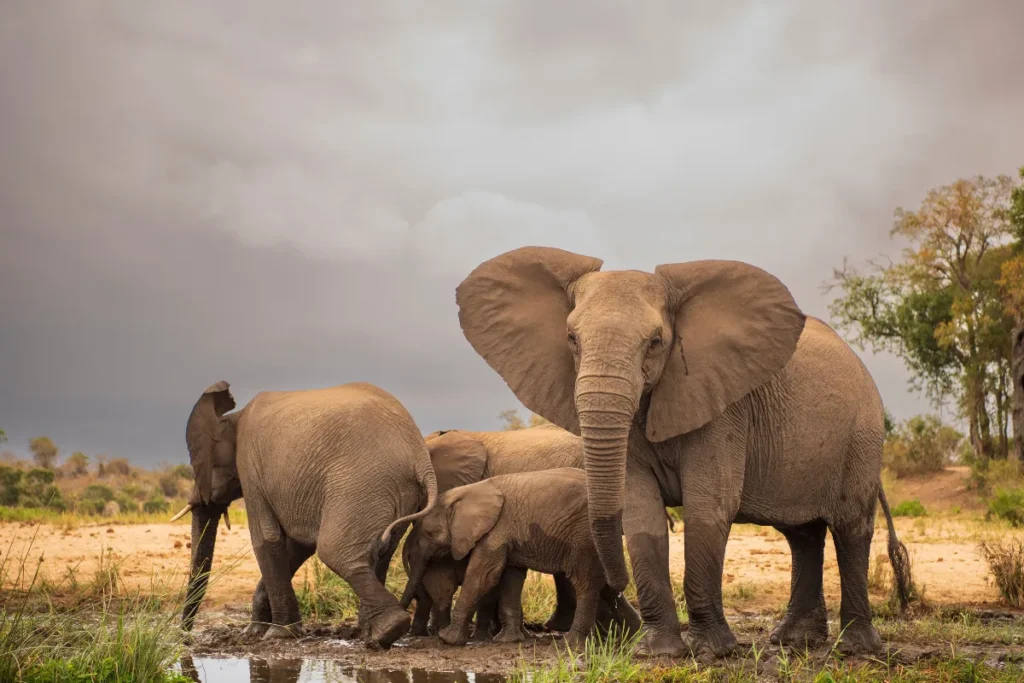
Every animal in Africa is a mindfulness teacher, though they don’t know they’re teaching. Watch elephants and you’ll learn presence. These magnificent creatures demonstrate complete absorption in each moment – when they’re drinking, they drink fully; when they’re protecting young, their attention is entirely focused; when they’re simply standing in shade, they embody perfect stillness.
I’ve watched women transform during extended elephant encounters. The animals’ calm energy is contagious. Elephants live in the present moment not as a practiced discipline but as their natural state. Watching them, you remember what it feels like to be fully where you are rather than mentally rehearsing tomorrow’s meetings or replaying yesterday’s conversations.
Lions provide different teachings. During the heat of the day, they rest completely – no guilt about productivity, no anxiety about wasted time, no comparison to what others might be accomplishing. They rest when rest is needed and hunt when hunting is required. Their natural rhythm offers powerful lessons for women who’ve forgotten how to honour their own energy cycles.
Bird life creates natural meditation experiences. Following the complex social dynamics of a weaver colony, watching the precise fishing techniques of a kingfisher, listening to the layered conversations of morning bird calls – these activities naturally quiet mental chatter and create what mindfulness practitioners call “spacious awareness.”
Even the landscape itself teaches presence. African sunsets demand attention – they’re too spectacular to experience while mentally multitasking. You find yourself naturally stopping, watching, breathing deeply, and simply being present for beauty that exists for no purpose other than its own magnificent unfolding.
The mental health benefits of travel in African wilderness aren’t abstract concepts but lived experiences that reshape how you relate to stress, time, and your own inner landscape.
Stories of Transformation: When Wilderness Works Its Magic
Let me share more stories of healing I’ve witnessed, because they illustrate better than any theory how African nature works its restorative magic.
Rachel, a 42-year-old doctor from Edinburgh, arrived at Kruger after eighteen months of pandemic frontline work. She was suffering from severe burnout, insomnia, and what she described as “compassion fatigue.” She’d been giving so much of herself to others that she’d forgotten who she was beneath her medical role.
On her third morning, sitting quietly in a bird hide watching water birds fish, something shifted. “I realised I’d been holding my breath for months,” she told me later. “Watching that heron wait so patiently for exactly the right moment to strike, I remembered that timing matters. That not everything has to happen immediately. That patience can be a form of action.”
By the end of her week, Rachel was sleeping through the night for the first time in over a year. She returned to work with what she called “renewed capacity for caring” – not because her job had changed, but because her relationship to stress had fundamentally shifted.
Then there’s Maria, a 39-year-old financial advisor from São Paulo who came to South Africa during a divorce that had left her questioning everything about her life. She’d built her identity around being someone’s wife and felt completely lost as a solo individual.
Her breakthrough came during a walking safari in the Timbavati. Following an armed guide through thick bush, tracking elephant signs, she discovered physical courage she didn’t know she possessed. “I realised I’d been afraid of everything – afraid of being alone, afraid of making decisions, afraid of my own judgment. But walking through the African bush, I found this calm confidence I’d forgotten I had.”
Six months later, Maria wrote to tell me she’d started her own consulting practice and was planning another solo trip to Africa. “That walk reminded me I can trust myself in unknown territory,” she explained.
These transformations aren’t coincidental. African wilderness creates conditions that naturally restore what chronic stress depletes: perspective, presence, confidence, and connection to your own inner wisdom.
The Science Behind Safari Healing
Research increasingly validates what indigenous cultures have always known: immersion in natural environments provides measurable mental health benefits that go far beyond temporary stress relief.
Studies measuring cortisol levels show dramatic reductions within 72 hours of wilderness immersion. Dr Ming Kuo’s research at the University of Illinois demonstrates that just 20 minutes in natural settings significantly lowers stress hormone production. Imagine the impact of days spent in pristine African wilderness, where the only sounds are wind, birds, and your own gradually slowing breath.
The Japanese practice of “forest bathing” or shinrin-yoku has generated extensive research proving that natural environments boost immune function, reduce blood pressure, and improve mood regulation. African savannas offer similar benefits with added dimensions – the vastness creates what researchers call “awe experiences” that shift perspective and reduce self-focused rumination.
Grounding research shows that direct physical contact with the earth’s surface helps regulate circadian rhythms and reduces inflammation. Walking barefoot on African soil, sitting directly on the ground during bush picnics, sleeping in tents connected to natural earth energy – these experiences provide biological benefits that urban living completely eliminates.
The natural light cycles in African wilderness help reset disrupted sleep patterns. Unlike artificial lighting that suppresses melatonin production, the gradual dimming of natural African sunsets followed by complete darkness rich with stars helps restore healthy sleep-wake cycles that modern life destroys.
Even the physical demands of a safari – early morning starts, walking in natural terrain, being physically present rather than mentally elsewhere – help regulate nervous system function and rebuild stress resilience.
Rhythms That Restore: Learning African Time
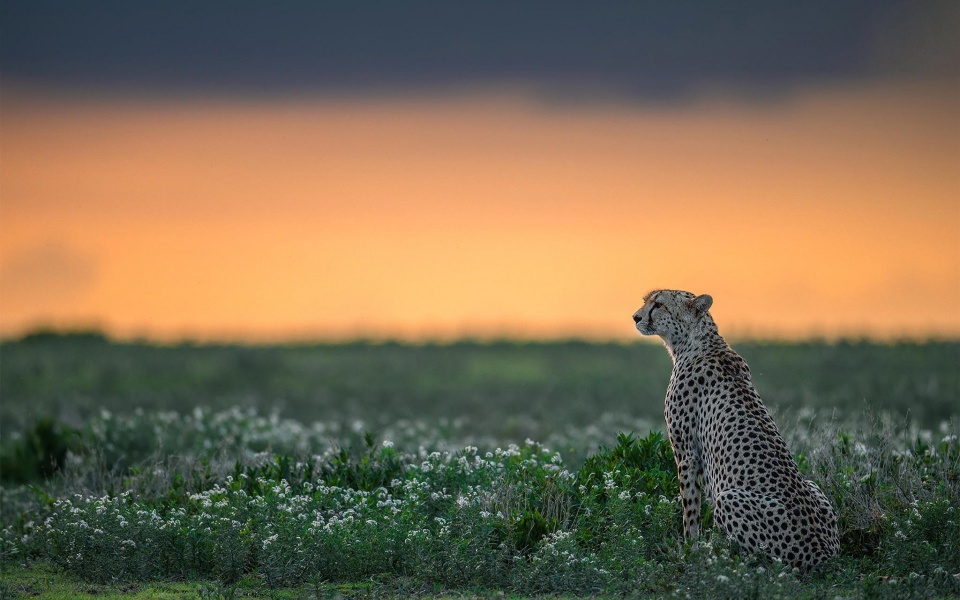
Perhaps the most profound healing solo travel offers comes from reconnecting with natural rhythms that human beings evolved to follow. African wilderness operates on what locals call “African time” – a pace determined by natural cycles rather than artificial schedules.
You wake with sunrise because that’s when the world comes alive, not because an alarm demands it. You rest during the heat of midday because that’s what makes sense, not because it’s “productive.” You gather around fire in the evening because humans are wired for community and storytelling, not because it’s scheduled entertainment.
This rhythm adjustment often creates initial discomfort for women accustomed to controlling every moment. But within days, most discover profound relief in surrendering to natural timing. Meals happen when hunger calls. Rest comes when energy naturally wanes. Activity resumes when the body feels ready.
Living by natural rhythms for even a short time helps reset internal clocks disrupted by artificial lighting, irregular schedules, and the constant stimulation of modern life. Women often tell me they return home with renewed ability to honour their own energy cycles rather than forcing themselves to maintain artificial productivity.
The African concept of “ubuntu” – the interconnectedness of all beings – becomes lived experience rather than abstract philosophy when you’re sitting around a campfire under stars that have witnessed countless generations of human stories. You remember that you’re part of something larger, older, and more enduring than your temporary concerns.
Why Wine & Wild Tours Create Deeper Restoration
Traditional safari experiences often maintain the rushed pace that contributes to stress rather than alleviating it. Racing between sightings, checking animals off lists, photographing experiences rather than absorbing them – these approaches miss the profound nature therapy travel in Africa can provide.
Wine & Wild tours are designed differently, with restoration as the primary intention rather than a pleasant side effect. We incorporate extended quiet time in nature, spaces for reflection and journaling, and opportunities for deeper connection with the healing aspects of African wilderness.
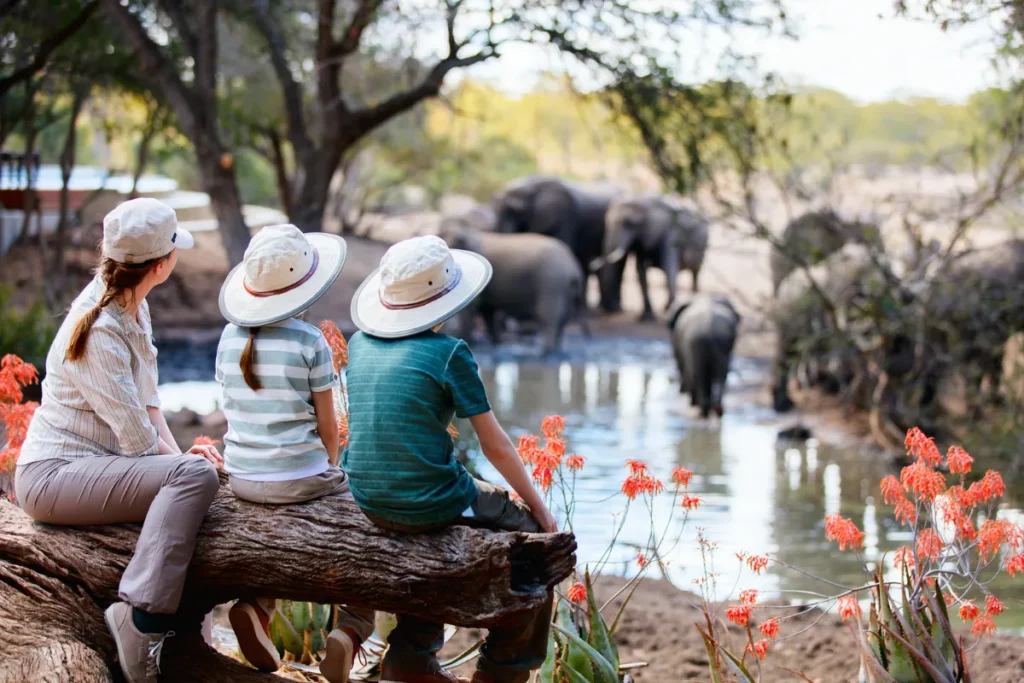
Our small group sizes ensure that you’re never rushed or overwhelmed by others’ agendas. Extended time at waterholes allows for the meditative watching that creates genuine mindfulness experiences. Evening conversations around the fire provide community without pressure, connection without performance.
We combine wildlife experiences with wine country tranquility, creating a journey that addresses different aspects of healing. The excitement and awe of safari experiences followed by the gentle sophistication of wine estates provides both stimulation and restoration in perfect balance.
Most importantly, our guides understand that transformation takes time. We’re not just pointing out animals but creating space for the deeper encounters that shift perspectives and heal hearts. Every moment is designed to support your return to natural rhythms and authentic connection with yourself.
Your Healing Journey Awaits
If you’ve read this far, your soul is probably already responding to the call of African healing. That restless feeling, that sense that you need something more than just a break, that intuition that nature holds medicine your urban life can’t provide – trust those instincts.
Safari for burnout recovery isn’t luxury; it’s necessity for women who’ve given so much of themselves that they’ve forgotten who they are beneath all their roles and responsibilities. African wilderness offers space to remember, heal, and reconnect with the woman you were before stress convinced you that peace was selfish and rest was laziness.
The elephants are waiting to teach you presence. The vast landscapes are ready to restore your perspective. The ancient rhythms of African time are calling you back to yourself.
Your healing doesn’t have to wait for the perfect moment. Sometimes, the perfect moment is now.
Ready to discover the healing power of African wilderness? Book a discovery call to explore how nature therapy travel can restore your mind and soul.
Can safari experiences help with burnout and stress?
Yes, safari environments naturally reduce cortisol levels, provide digital detox opportunities, restore natural circadian rhythms, and create mindfulness experiences that combat burnout.
Is solo safari travel good for mental health?
Solo safari travel can be excellent for mental health, providing space for reflection, connection with nature, confidence building, and break from daily stressors in safe, structured environments.
How long does it take to feel the mental health benefits of safari?
Many people report feeling calmer within 24-48 hours, with stress reduction measurable within 72 hours. Longer stays allow deeper restoration and integration of benefits.
Are safari experiences suitable for people with anxiety?
Yes, modern safari experiences provide safe, controlled environments with professional guides. The natural settings and wildlife encounters often help reduce anxiety through grounding and perspective.
What scientific evidence supports safari’s mental health benefits?
Research shows wilderness immersion reduces cortisol, improves sleep patterns, boosts immune function, reduces rumination, and creates “awe experiences” that improve wellbeing.
How can I maximize the mental health benefits of my safari?
Practice digital minimalism, engage fully with experiences rather than photographing everything, maintain a journal, practice mindfulness during animal encounters, and allow unstructured time for reflection.